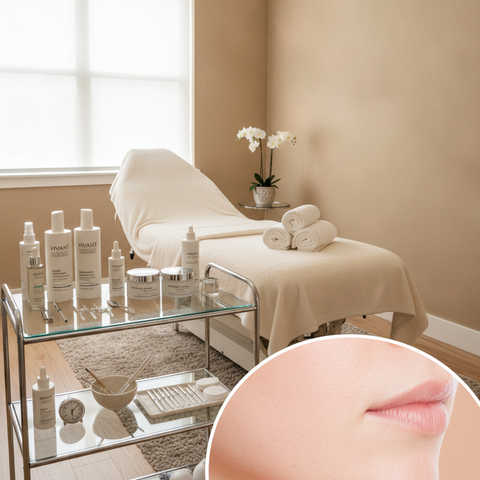
What the treatment does
A Vivant chemical peel works by removing layers of dead skin cells to encourage natural cell turnover. That shedding reveals smoother surface skin, helps even skin texture and tone, and addresses fine lines around the eyes and mouth by allowing newer skin to emerge.
Results depend on your skin’s baseline condition and how your skin responds to controlled exfoliation. Outcomes are shaped by pre- and post-care, sun exposure, and individual skin biology; many clients notice a refreshed, glowy appearance and clearer-looking skin after treatment.
What to expect after
After a chemical peel you can expect increased sensitivity, temporary redness, and visible peeling as the outer layers shed and new skin appears. These changes are a normal part of the process; avoiding direct sun and following aftercare reduces complications and supports even healing.
Because Kingston experiences four seasons and varying UV levels, many local clients schedule treatments during cooler months. Appointments often fit into a lunch break or early evening, which works well for commuters and people attending nearby events at the PPL Center or riverfront parks.
Choosing your treatment timing
Seasonality matters: peels require limiting sun exposure while skin rebuilds, so demand is highest in October, November, January and February when UV index is lower. Kingston’s climate and outdoor event calendar mean cooler months simplify aftercare and reduce the risk of sun-related complications.
The treatment fee is $250. Discuss your goals in a consultation so staff can advise whether this peel suits your skin and schedule. Many clients value the relaxing experience and the visible glow that follows, and they plan appointments around commuting routes like I-81 or local LCTA service.