How the treatment works
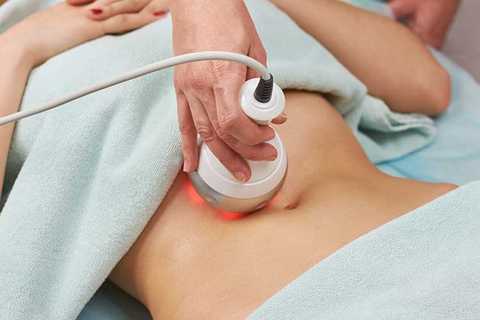
Venus Freeze Abdomen uses radiofrequency skin tightening technology to target the abdominal area. The procedure applies controlled radiofrequency energy to the skin to encourage tightening and improve elasticity. The treatment is described by the provider as a non-invasive option aimed specifically at reducing wrinkles and firming abdominal skin rather than surgical alteration.
Because the approach focuses on skin quality, the degree of change depends on the condition of the skin at baseline. Clients who are concerned about loose or wrinkled abdominal skin will discuss realistic expectations with the provider; individual results vary and are shaped by personal skin elasticity and other local factors.
What to expect during sessions
Venus Freeze Abdomen is delivered as a non-invasive session concentrating on the midsection; during treatment a practitioner works over the abdominal area with the device. The experience is intended to improve skin texture and tightness rather than remove fat. The clinic notes this option is suitable for clients seeking a non-surgical approach to abdominal wrinkles and laxity.
Scheduling is flexible to suit Kingston routines—appointments that fit lunch breaks or early evenings are common for commuters and local families. Before treatment a consultation reviews goals and suitability, and the provider explains practical details such as preparation and what to bring to your appointment.
Factors shaping your results
Several practical factors affect how much improvement you may notice: the starting condition of your abdominal skin, age-related elasticity, and lifestyle influences. Seasonality also matters—J Madison Spa sees higher demand in April through June as clients prepare for summer clothing and swimwear, which may influence when people schedule treatments.
Because outcomes are individualized, the clinic recommends a consultation to set realistic expectations. The provider will discuss how your skin condition and personal schedule intersect with recommended plans, and whether follow-up or maintenance visits could be appropriate for sustaining changes over time.